Bullswool Farm offers an authentic taste of Kiwi farm life, and is one of New Zealand’s most beloved and iconic rural experiences.
Animals & Breeding
We breed a few different types of animals; donkeys, WoolPuppies, rabbits, miniature horses, and gypsy cobs. All of our animals have a rather unique start in life – being born at a Farm Park they get an enormous amount of contact with people, and leave the farm very well socialised.
With every companion animal breeding programme our philosophy is the same; start with the best quality animals that we can find, with correct conformation, and are as close to their breed standard as possible. And then only breed from them if they prove to have exceptional, people-loving temperaments, and have a bit of the “X-factor” about them… if they make us and everyone else who meets them smile, then they qualify to add to the gene pool.
The Woolpuppies began as a collaboration between us and our friend Bex Tasker, a celebrated Positive Reinforcement Animal Trainer and Teacher. We share genetics and ideas to enhance each other’s flocks. For more information on Bex and her work, go to: www.positivelytogether.co.nz
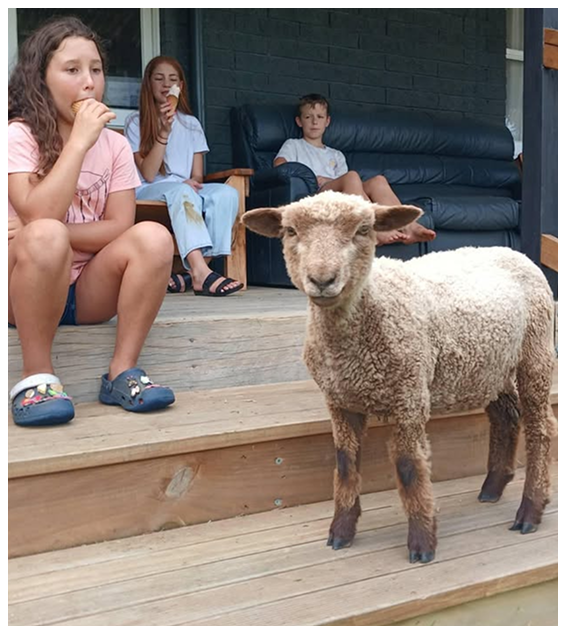
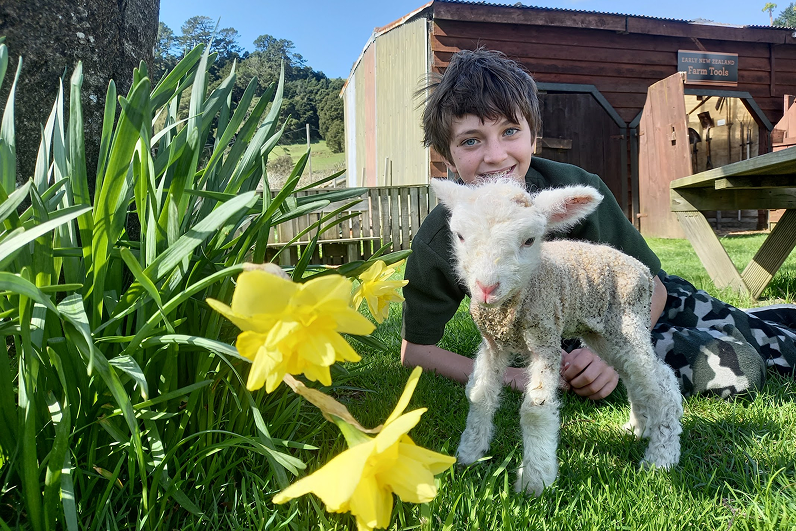
Our belief is that sheep make AMAZING pets! * Easy to keep, cheap to look after (if you have a bit of land), wonderful (and safe) with children, they are also highly trainable and very affectionate.
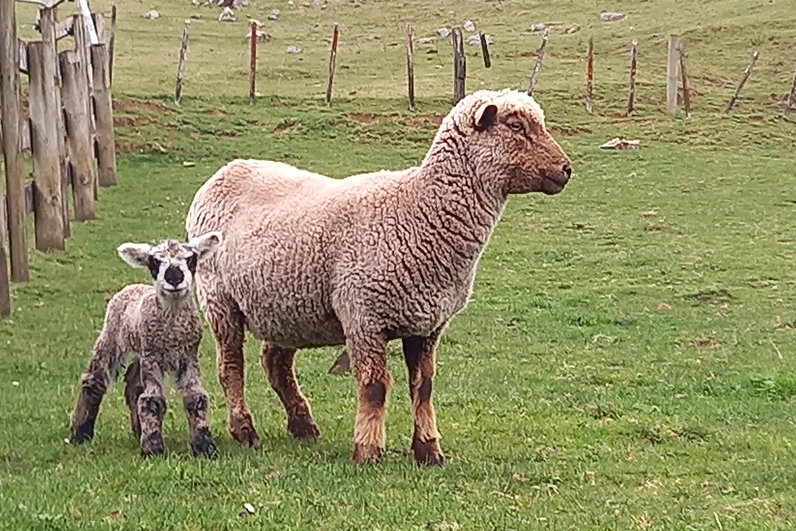
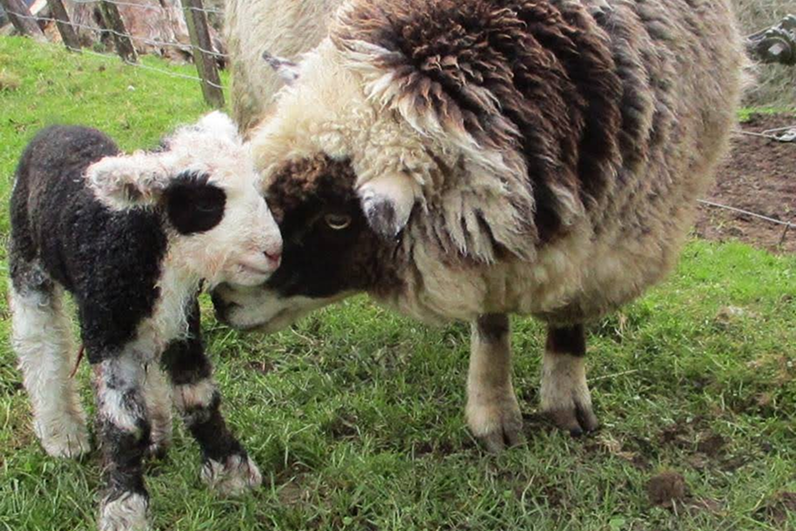
Mixing our original Bullswool Brown Spot sheep (spotty Merino Romney crosses), Babydoll sheep, and miniature Morrits, we aim to breed calm, people-orientated, easycare small sheep with interesting colours, and all with the cute Teddy Bear faces of Babydolls. * Safety warning. Only ewes and wethers (castrated males) should be tamed pets. Rams (entire sheep) can become unpredictable and dangerous if they are overhandled. Never hand feed a ram, and all bottlefed ram lambs should be castrated.
Dinkey, our purebred Babydoll Ram.
Miniature Morrits
The Miniature Morrits are calm, curious and very easy to handle and work with. They are petite, have great feet, and all share the same distinctive ginger colouring.
Bullswool Brown Spots
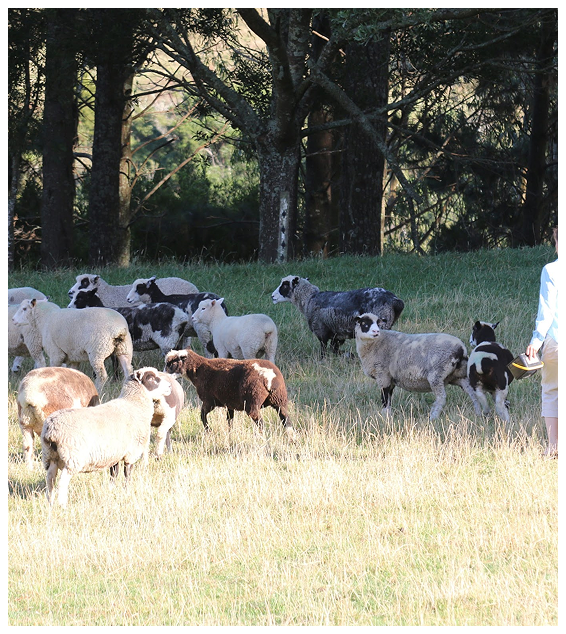
20 years ago, Nana Bullswool bought a small flock of spotty sheep. Their owner was a dairy farmer, who had had a plain white, toothless old ewe wander onto his property. He decided to dogtucker (enter her into the foodchain) her. However, when he found her she had given birth to three highly spotted triplet lambs. He never did dog tucker her, and the flock grew to about 40 sheep. We have since learnt that crossing Merino and Romney Sheep creates a genetic mutation which occasionally causes the offspring to be spotty, which we believe is the case with our sheep. Bullswool Brownspots are notable for their exceptionally calm and friendly natures.
Babydolls
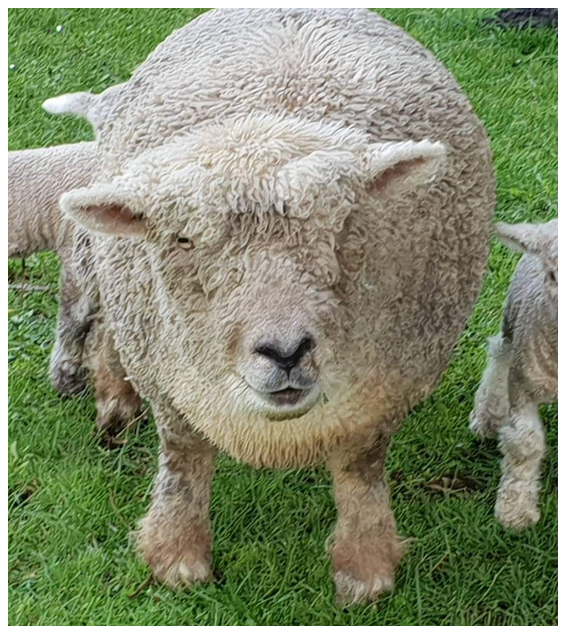
We have a few purebred Babydoll ewes, but have concentrated on investing in high quality Babydoll rams to put over our ewes. Babydolls are the Shetland Pony of the sheepworld, small, cute, with distinctive “smiling teddy bear” faces and are amazing at converting grass, causing them to be prone to getting fat. Originally known as Southdown sheep, they date back to England in the 1700s. However, after WW2, there began to be a focus on bigger sheep with leaner meat, and Southdowns started being crossed with other breeds to create a larger more commercial sheep. By the 1980s the little original sheep were almost extinct. However, they were saved by a dedicated American livestock enthusiast named Robert Mock. Beginning in the mid-80s he spent years searching the US for sheep with the original 1700s bloodlines, and eventually located around 350 of these sheep. To differentiate these smaller heritage sheep from the modern larger Southdowns Robert named them, “Olde English Babydoll Southdowns”, and set up a registry to preserve the purity of his foundation stock. Today, thanks to these efforts, Babydolls are making a comeback. They are very popular as pets due to their docile natures, and their small size has made them popular for use as a “green solution” to weeds on organic vineyards and orchards.
Next Season’s lambs will be available from late spring onwards. Prices vary depending on sex, colour, temperament and size.
Hi Sue, Just an update for you about Squeak. He has been no problem, the next day after your mum dropped him off he came right up to me and let me put the halter on and every since. Loves a good scratch all ova and loves the wee grand children. Him and Casper get on just fine, no squealing or stomping of feet (much to my relief). Just a lovely wee man and I thank you so much as does Casper for his paddock mate.
Kind regards,
Cath
Toffee – Irish/English Jack weanling foal
Hi there just a quick note to say Toffee has settled in nicely – he is a lovely donkey and has enjoyed regular walks with us. He is very easy going and there have been no issues with him leading and he is lifting his feet nicely for us. In the short time he has been here he has already brought lots of happiness and fun.